
Wrought iron is one of the most durable and attractive materials used in gates, railings, fences, balconies, and decorative metalwork. However, even the strongest iron structures can suffer from rust, corrosion, dents, cracks, or general wear over time. This leads many property owners to ask an important question: can wrought iron be repaired?
The simple answer is yes. In most cases, wrought iron can be repaired, restored, and even brought back to its original condition without requiring a complete replacement. Professional wrought iron repair services can fix rust damage, broken welds, bent sections, loose fittings, and other common issues, extending the lifespan of your metalwork for many years.
In this guide, we’ll explain how wrought iron is repaired, the most common problems that affect it, the benefits of restoration, and when replacement may be necessary.
What Is Wrought Iron?
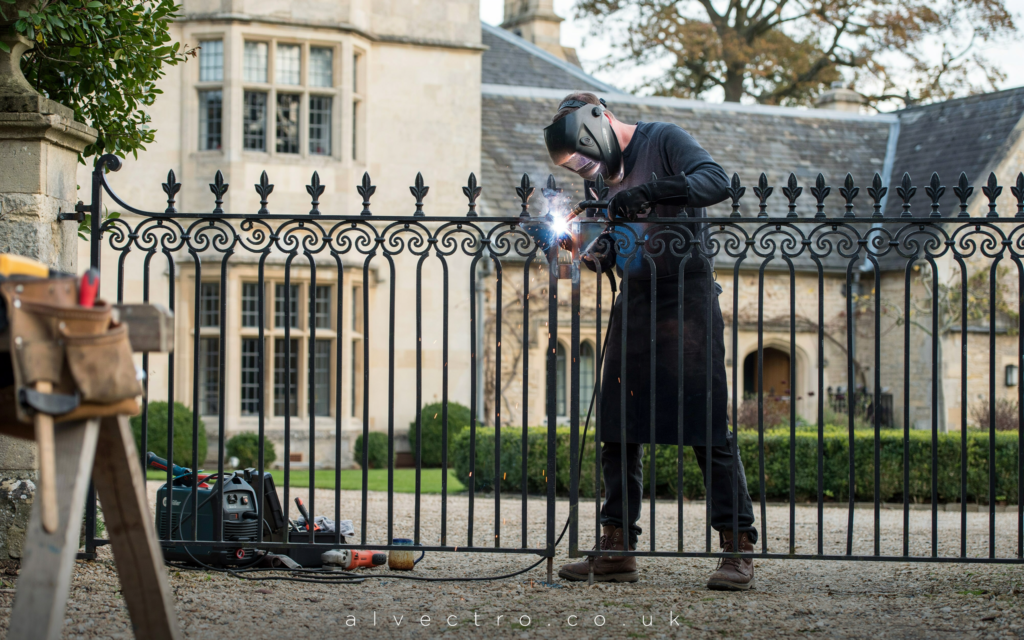
Wrought iron is a strong, malleable metal traditionally used in construction and decorative applications. It is known for its durability, elegant appearance, and resistance to impact damage.
Common applications include:
- Driveway gates
- Garden gates
- Security gates
- Railings
- Balconies
- Fencing
- Decorative metal features
Because wrought iron is highly durable, repairs are often a cost-effective alternative to replacing the entire structure.
Can Wrought Iron Be Repaired?
Yes, wrought iron can usually be repaired even when it shows significant signs of deterioration. Skilled metal fabricators can restore damaged sections while preserving the original design and structural integrity.
Repair methods may include:
- Rust removal
- Welding cracks and breaks
- Replacing damaged sections
- Straightening bent components
- Repainting and refinishing
- Reinforcing weakened joints
In many cases, repaired wrought iron can look almost identical to new metalwork.
Common Wrought Iron Problems and Their Solutions
Over time, exposure to weather and daily use can create various issues. Understanding these problems helps determine the best repair approach.
| Common Problem | Cause | Typical Repair Solution |
|---|---|---|
| Surface Rust | Moisture and weather exposure | Sanding, rust treatment, repainting |
| Deep Corrosion | Long-term neglect | Section replacement and welding |
| Cracked Welds | Stress and age | Professional rewelding |
| Bent Bars | Impact damage | Heat straightening or replacement |
| Peeling Paint | UV exposure and weathering | Surface preparation and repainting |
| Loose Fixtures | Wear and movement | Tightening or replacing fittings |
Early repairs usually cost less and prevent larger structural issues from developing.
Signs Your Wrought Iron Needs Repair
Many property owners wait until damage becomes severe. However, identifying problems early can save money and extend the life of your installation.
Look for these warning signs:
- Orange or brown rust spots
- Flaking paint
- Cracks around welded joints
- Loose railings
- Gates that sag or drag
- Bent decorative elements
- Corroded metal sections
- Difficulty opening or closing gates
If any of these signs appear, arranging repairs promptly is recommended.
How Professionals Repair Wrought Iron
Professional wrought iron restoration involves several stages to ensure long-lasting results.
Inspection and Damage Assessment
The first step is evaluating the condition of the metal.
Technicians inspect:
- Structural strength
- Corrosion levels
- Weld integrity
- Alignment issues
- Paint condition
This assessment determines whether repair or replacement is the best option.
Rust Removal
Rust is one of the most common problems affecting wrought iron.
Professionals may use:
- Wire brushing
- Sandblasting
- Grinding tools
- Chemical rust removers
Removing all rust is essential before further repairs can begin.
Welding and Structural Repairs
Broken joints, cracks, and damaged sections are repaired using specialist welding techniques.
This process restores:
- Strength
- Stability
- Safety
- Appearance
New metal sections can also be fabricated to match existing designs.
Straightening Damaged Components
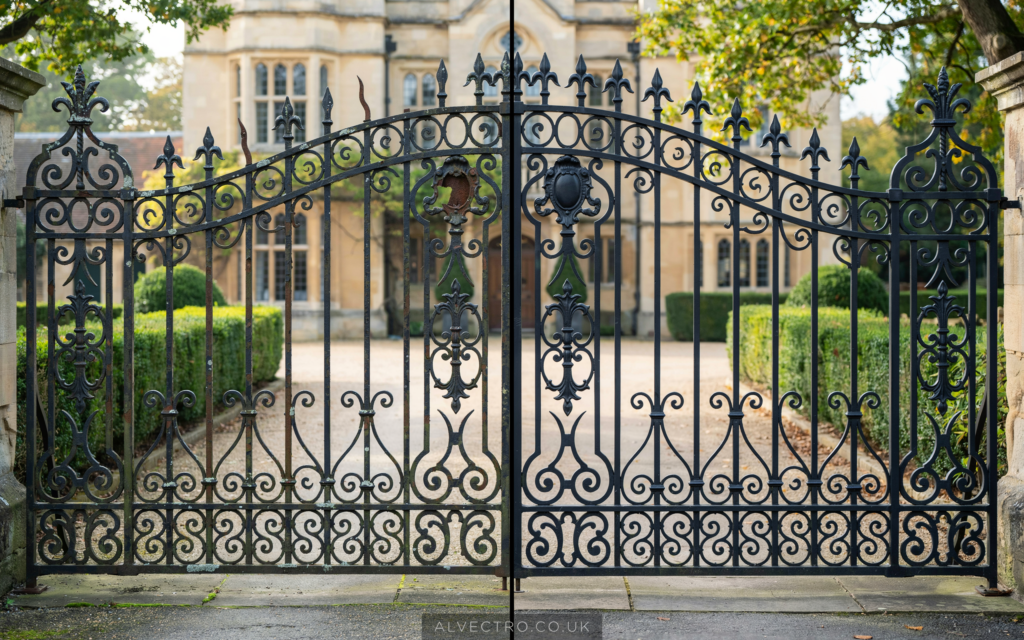
Bent bars and decorative elements can often be reshaped using heat and specialized tools.
This helps preserve the original design without requiring complete replacement.
Surface Preparation and Painting
Once repairs are complete, the metal is prepared for finishing.
Typical steps include:
- Cleaning
- Priming
- Applying rust-resistant coatings
- Painting or powder coating
A high-quality finish protects the wrought iron from future corrosion.
Benefits of Repairing Wrought Iron Instead of Replacing It
Repairing wrought iron offers several advantages over full replacement.
Cost Savings
Repairs are often significantly cheaper than manufacturing and installing entirely new metalwork.
Preserves Original Character
Many wrought iron gates and railings feature unique craftsmanship that would be difficult or expensive to recreate.
Faster Completion
Most repairs can be completed much more quickly than a full replacement project.
Environmentally Friendly
Restoring existing materials reduces waste and minimizes the environmental impact of new manufacturing.
Improved Property Appearance
Proper repairs restore the beauty and elegance of wrought iron features, enhancing kerb appeal.
Repair vs Replacement Comparison
| Factor | Repair | Replacement |
| Cost | Lower | Higher |
| Time Required | Faster | Longer |
| Preserves Original Design | Yes | Not Always |
| Environmental Impact | Lower | Higher |
| Suitable for Severe Damage | Sometimes | Yes |
| Property Disruption | Minimal | Greater |
For most minor and moderate damage, repair is the preferred option.
Can Rusted Wrought Iron Be Restored?
One of the most frequently asked questions is whether rusted wrought iron can be saved.
In many situations, the answer is yes.
Surface rust can often be completely removed, while moderate corrosion may only require replacing small sections. The key is addressing rust before it penetrates too deeply into the metal.
Professional restoration typically involves:
- Removing rust
- Repairing affected areas
- Applying rust inhibitors
- Repainting or powder coating
These treatments can significantly extend the lifespan of the structure.
How Long Does Repaired Wrought Iron Last?
The lifespan of repaired wrought iron depends on several factors:
- Quality of repair work
- Environmental conditions
- Maintenance frequency
- Protective coatings used
A professionally repaired and maintained wrought iron gate or railing can often last decades.
Regular inspections and maintenance help maximize durability.
Tips to Prevent Future Wrought Iron Damage
Preventive care reduces repair costs and keeps wrought iron looking its best.
Clean Regularly
Wash dirt and debris from the surface using mild soap and water.
Inspect Annually
Check for:
- Rust spots
- Cracks
- Loose fittings
- Paint damage
Touch Up Paint Promptly
Small paint chips should be repaired immediately to prevent rust formation.
Lubricate Moving Parts
Gate hinges and locking mechanisms should be lubricated regularly.
Apply Protective Coatings
Rust-resistant primers and paints provide long-term protection against corrosion.
When Should Wrought Iron Be Replaced?
Although most wrought iron can be repaired, replacement may be necessary when:
- Corrosion is extensive throughout the structure
- Multiple sections have failed
- Structural safety is compromised
- Repairs would cost nearly as much as replacement
- Major redesigns are required
A professional assessment can help determine the most cost-effective solution.
Why Professional Wrought Iron Repair Is Important
DIY repairs may seem appealing, but improper repairs can lead to safety issues and recurring damage.
Professional repair specialists offer:
- Accurate damage assessment
- Expert welding
- Proper rust treatment
- High-quality finishes
- Long-lasting results
Their expertise ensures the repaired structure remains safe, functional, and visually appealing.
Frequently Asked Questions
Can severely rusted wrought iron be repaired?
Yes, in many cases severely rusted wrought iron can be repaired. Damaged sections may be replaced while preserving the rest of the structure.
How much does wrought iron repair cost?
Costs vary depending on the extent of damage, repair complexity, and location. Minor repairs are generally much cheaper than full replacement.
Is welding required for wrought iron repairs?
Many structural repairs involve welding to restore strength and stability. However, not all repairs require welding.
Can a bent wrought iron gate be fixed?
Yes, bent gates can often be straightened and reinforced by experienced metal fabricators.
How often should wrought iron be maintained?
Annual inspections and regular cleaning are recommended. Repainting may be required every few years depending on environmental conditions.
Conclusion
Can wrought iron be repaired? Absolutely. From rust removal and welding to complete restoration, most wrought iron gates, railings, fences, and decorative features can be successfully repaired without the need for full replacement.
Repairing wrought iron is often more affordable, environmentally friendly, and practical than replacing it entirely. By addressing rust, cracks, and structural issues early, property owners can preserve the beauty, strength, and value of their metalwork for many years to come.
Whether you have a rusted gate, damaged railing, or aging wrought iron fence, professional restoration can return it to excellent condition while maintaining its original character and charm.